AI-generated, human-reviewed.
The biggest TV makers are pulling out of the 8K market, and industry experts now recommend sticking with 4K for the best image quality, price, and practical value.
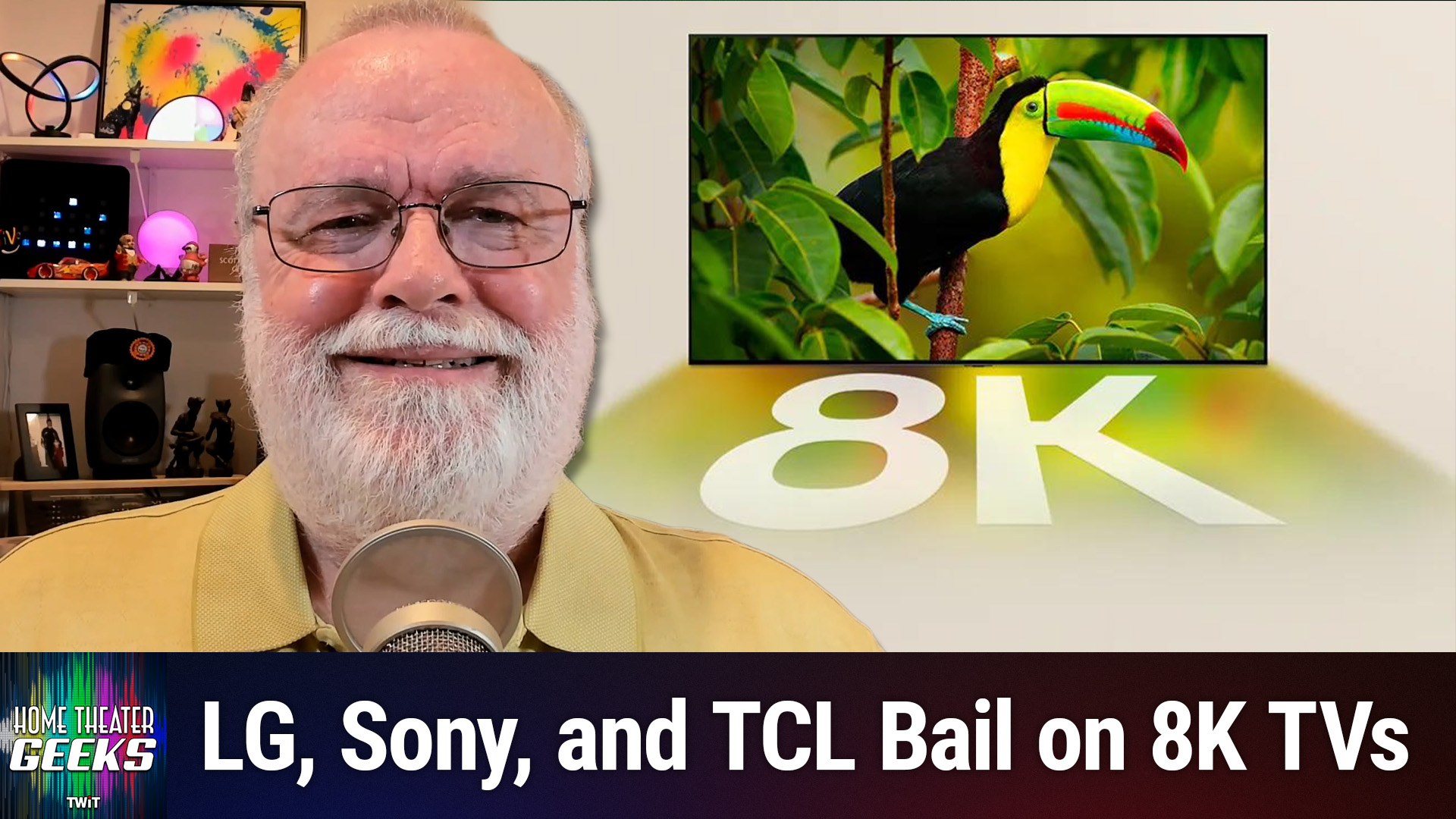
On Home Theater Geeks, Scott Wilkinson highlighted the rapid exit of major manufacturers from the 8K TV space and explained why shifting your focus to advanced 4K technologies can deliver a superior home theater experience.
Why Are 8K TVs Disappearing?
8K TVs offered double the pixel resolution of 4K (7680 x 4320 vs. 3840 x 2160), but several real-world issues have limited their adoption:
- Insufficient content: There is virtually no native 8K video content for consumers, leaving most 8K TVs to simply upscale 4K or lower resolution sources.
- Limited visible benefit: At typical seating distances for most living rooms, the human eye struggles to perceive any difference between 4K and 8K, especially on screens under 85 inches.
- Higher prices: 8K TVs have been notably more expensive, with little to justify the premium in real-world performance.
- Performance trade-offs: In some cases, 8K displays perform worse than their 4K counterparts, especially when it comes to brightness or processing.
Scott Wilkinson pointed out on Home Theater Geeks that manufacturers like LG, Sony, TCL, and Hisense are discontinuing their 8K models. Only Samsung still offers 8K TVs, but that may change soon as market interest continues declining.
Recent Industry Moves
Some notable industry shifts underline this transition:
- LG has shelved its 8K TV products (both consumer and panel manufacturing divisions), announcing they are prepared to restart production only if consumer demand dramatically increases.
- LG's last major 8K TV—the QNED99T, an 86-inch mini-LED model—has dropped in price from $5,300 at launch to $2,500, signaling stagnant demand.
- Sony, TCL, and Hisense have all quietly exited the 8K TV market.
- Sony removed the "8K" branding from its PlayStation 5 in 2024, citing limited game support and minimal consumer interest.
What's Next for Display Technology?
Rather than pushing for ever-higher resolution, the market now emphasizes advancements that impact day-to-day image quality:
- RGB Mini-LED Backlights: Deliver deeper contrasts, higher peak brightness, and more local dimming zones.
- QD-OLED and Tandem OLED: Provide greater brightness, color saturation, and overall picture quality improvements over previous OLED panels.
Scott Wilkinson suggests these enhancements offer more visible improvements to viewing experience than simply increasing pixel count beyond 4K.
OK 8K…
- 4K TVs remain the best buy for most consumers, balancing price, content availability, and visible image quality.
- Focus on panel technology (like OLED, QD-OLED, Mini-LED) and features (wide color gamuts, local dimming, HDR brightness), not just resolution.
- Don't pay extra for 8K, especially with little content and negligible real-world gain.
- The drop in 8K TV prices signals waning demand, not an emerging bargain.
- Even for gaming, native 8K support is absent and likely to remain so for the near future.
If you want the best home theater experience right now, 4K TVs, especially models with advanced backlighting or OLED screens, deliver stunning visuals and excellent value. Skip 8K until there's a dramatic change in content and technology. Invest in features and panel quality instead of pixel count.
Ready to stay updated on home theater tech? Subscribe on TWiT:
https://twit.tv/shows/home-theater-geeks/episodes/528