AI-generated, human-reviewed.
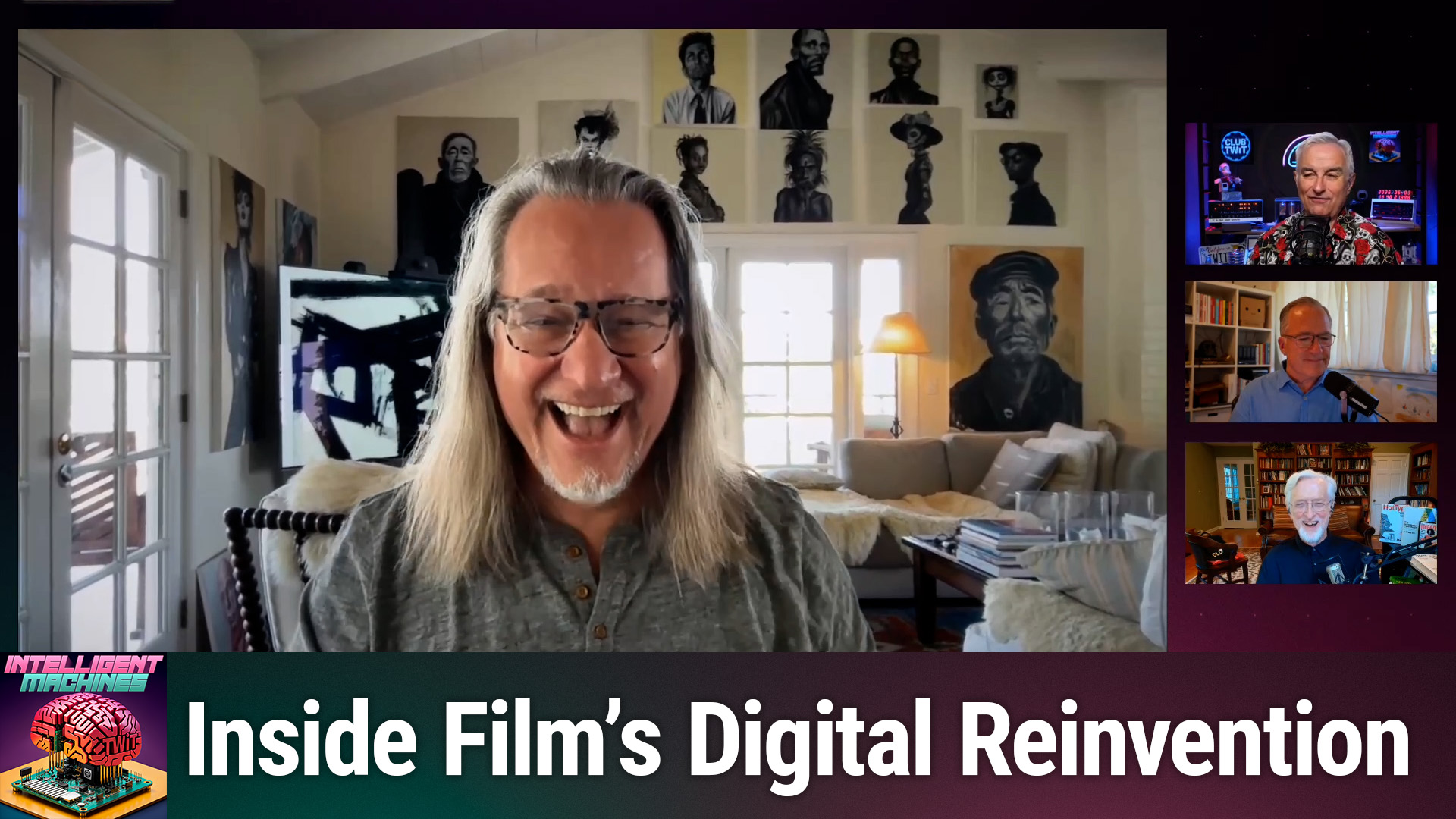
AI is no longer a distant threat or side project in Hollywood—it's actively reshaping how movies and series are conceptualized, produced, and distributed. On Intelligent Machines, futurist Robert Tercek joined the conversation to reveal how leading studios, creators, and tech giants are adopting artificial intelligence, what challenges are arising, and why every part of the industry is under pressure to adapt.
AI's Rapid Integration Into Film and TV Production
The conversation focused on the acceleration of artificial intelligence in Hollywood, especially following Amazon's headline announcement of an AI Creators Fund at Culver Studios. This fund, paired with the launch of Amazon's dedicated AI Studios division, is already helping to produce the first U.S. TV series generated with artificial intelligence, moving beyond traditional animation workflows to hybrid and AI-native productions.
A key theme that emerged was the hybrid use of AI—tools are increasingly integrated into script development, previsualization, and animation, rather than fully replacing human talent. For example, filmmakers like Martin Scorsese use AI for previsualization, allowing directors to conceptualize and test scenes digitally before shooting. Major studios are piloting projects that rely on AI not just for cost savings, but creative flexibility and speed.
The Industry's Resistance—and Why That's Changing
The discussion explored Hollywood's existential anxiety around AI, drawing parallels to earlier technology shifts. According to Robert Tercek, studios and artists have moved from outright refusal to cautious experimentation. There is a vocal anti-AI faction, as seen when some creators withdrew from Amazon's AI-powered projects after intense social media backlash. Despite this, the economic incentives for AI adoption are too compelling to ignore—AI-driven production in China is already reaching cost levels thousands of times lower than Hollywood norms, signaling a huge competitive challenge.
Several points were raised, including industry strikes in 2023 centered on AI and labor rights. Recent agreements now allow for "synthetic actors"—AI-generated characters used alongside humans, with guild oversight—marking a pivotal shift in union strategy.
What This Means for Creators, Jobs, and Diversity
One concept discussed was the democratization of filmmaking: AI dramatically lowers costs and reduces required crew size. This opens the door for more creators worldwide, including those in countries with smaller film industries or fewer English-speaking actors. Tercek emphasized that AI tools could bring new stories and voices to global audiences, reversing the traditional flow of content from the U.S. to the world. As AI makes localization easier—changing language, actors' appearance, or cultural markers—storytelling becomes more inclusive and tailored.
Concerns about job loss remain, but the conversation highlighted that, so far, AI is creating more creative roles rather than eliminating them. Artists, editors, and animators who embrace AI workflows often find themselves in increased demand for new skills. However, roles are shifting, and those unable or unwilling to work with these new tools may face reduced opportunities.
How AI Is Changing the Creative Process
The way films are made is changing at a foundational level. Traditionally, creative decisions were locked in during early planning, with post-production limited to technical fixes. With AI, filmmakers can iterate endlessly, even replacing actors or redubbing entire scenes in multiple languages late in the process. Studios like Neura are building end-to-end pipelines to support AI-native animation workflows, setting new standards in asset management and creative flexibility.
Technical terms explained:
- Previsualization (previs): Using digital tools, including AI, to plan out scenes before filming, enabling directors to test shots cheaply.
- Synthetic actors: AI-generated characters or stand-ins for use alongside or instead of human performers.
- Microdramas: Short serial dramas, especially popular in China, now produced with full AI crews for minimal cost.
Key Takeaways
- AI is deeply entrenched in Hollywood's future, from scriptwriting to animation and even acting.
- Amazon's investment in AI-powered production signals that top studios see this as a core growth area.
- Union deals now allow synthetic, AI-generated actors under certain guidelines.
- AI offers a 3,000x cost advantage in some production environments, especially overseas.
- Job displacement is less of a factor currently; most AI integration helps human artists do more, faster.
- AI enables greater diversity in global storytelling—shows can now be localized for new audiences with minimal friction.
- Resistance to AI still exists, but the momentum of technological and economic change is overwhelming.
The Bottom Line
According to Robert Tercek on Intelligent Machines, Hollywood stands at a decisive crossroads. AI isn't coming—it's here, and it's changing the way stories are told, who tells them, and who gets to watch. Those willing to learn and adapt will find more opportunity; those who resist may find themselves left behind. As AI democratizes production and localization, audiences around the world should expect a broader range of stories—and a major rebalancing of who sets the trends in entertainment.
Subscribe to Intelligent Machines for more deep dives into the future of AI and technology:
https://twit.tv/shows/intelligent-machines/episodes/873