AI-generated, human-reviewed.
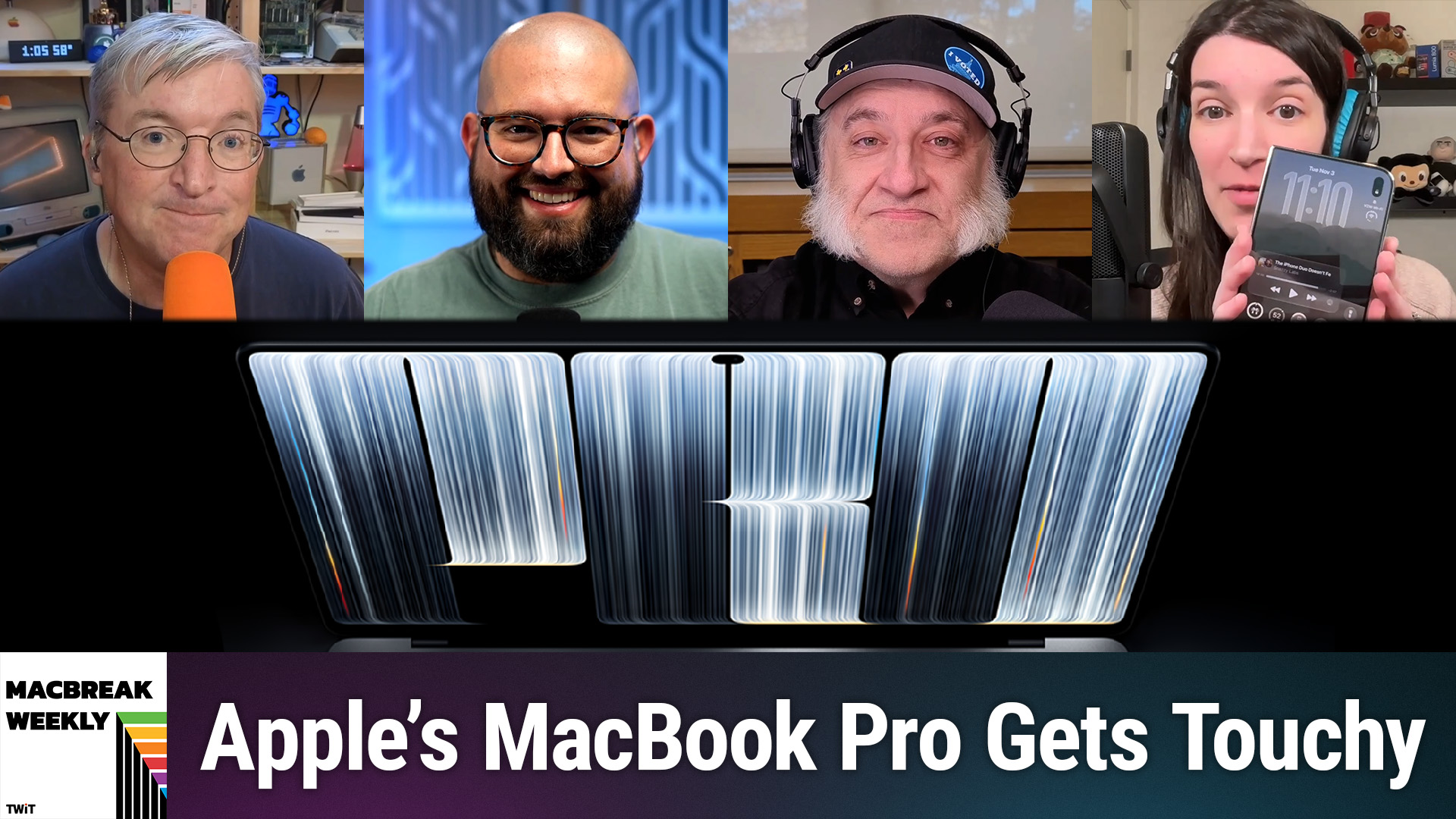
Apple's newly announced MacBook Pro with an OLED touchscreen marks a significant shift in the Mac lineup, but it's not the revolution some expected. On MacBreak Weekly, Jason Snell, Christina Warren, Andy Ihnatko, and Stephen Robles offered a nuanced breakdown of the product, highlighting who will get the most value—and who should wait.
What's New About the MacBook Pro with Touch and OLED?
Apple's latest high-end MacBook Pro introduces two major upgrades: a tandem OLED display and, for the first time, a native touchscreen on a Mac. While previous models have stuck to excellent displays and traditional input methods, this new model puts Apple in direct competition with Windows laptops that have offered touch for years.
According to MacBreak Weekly, Apple's approach is to add touch capability without redesigning the MacOS user experience or changing the hardware form factor in dramatic ways. The touchscreen is present, but use of it is optional—if you ignore the touch features, you're still left with a traditional MacBook Pro, only with a brighter, more vibrant OLED panel.
How Does the Touchscreen Perform in Practice?
The panel noted that using touch on the new MacBook Pro feels natural for occasional tasks—like tapping an OK button, scrolling, or making quick selections. However, the experience is intentionally basic. Apple did not overhaul macOS for touch, nor did it add iPad-style gestures or convert the device into a 2-in-1 laptop/tablet hybrid.
Christina Warren highlighted that the primary appeal of touch is for users coming from iPads or devices where touch is routine, such as younger creators and students. For power users and professionals who rely on keyboard shortcuts, automation tools, or custom workflows, the touchscreen is a nice-to-have—not a breakthrough feature.
Is the OLED Display Worth the Extra Cost?
The panel agreed that the new tandem OLED display is bright and visually impressive, making it ideal for creative professionals who prioritize color accuracy, contrast, or black levels (such as photographers and video editors). However, the $400 price premium over existing MacBook Pro models is mostly tied to the display, not the touchscreen.
If display quality isn't your top concern, and you're not eager for touch, the hosts suggested putting that extra money towards useful upgrades like additional memory (RAM) or storage instead. The previous MacBook Pro models—without OLED—remain excellent choices for most users, especially since their core specs remain largely unchanged.
Is Touch Coming to All Future MacBooks?
The show's consensus is that touch is likely to flow down through the rest of Apple's laptop line in the coming years, perhaps even faster than OLED. Touch is becoming "expected" at the high end, and Apple appears to be responding to changing user habits fostered by iPads and touchscreen devices.
However, major form factor changes—like convertible Macs or fully integrating iPad and Mac platforms—are not on the immediate horizon. Apple leadership has signaled a commitment to keep the Mac and iPad lines distinct, at least for now.
Should You Upgrade or Wait?
According to the panel, the new MacBook Pro is best for early adopters, creative professionals, or users obsessed with display technology. For average users or those on a budget, the extra cost is hard to justify when the "regular" MacBook Pro still offers robust performance and a great screen.
When making a purchasing decision, users should consider whether features like tandem OLED and basic touch add meaningful value to their daily tasks, or if investing in other specs (like RAM) will improve their workflow more.
Key Takeaways
- Apple's first touchscreen MacBook Pro pairs a stunning OLED display with optional touch capability.
- Touch features are basic—no radical changes to how macOS works.
- OLED display is the real differentiator, but it comes at a $400 premium.
- For most users, investing in RAM or storage offers more value than upgrading for touch/OLED.
- Apple is likely to add touch to more MacBooks in future years, but not necessarily OLED at the same pace.
- No sign of Apple merging Mac and iPad or introducing convertible Macs soon.
- Early adopters and creative pros will benefit most from this release.
- The "regular" MacBook Pro models remain an excellent value for most buyers.
The Bottom Line
The new MacBook Pro with touch and OLED is a milestone for Apple, catering to a niche market of early adopters and visual professionals. Most users should carefully assess whether the premium price fits their needs, as Apple's tried-and-true MacBook Pro models remain strong choices.
To get the full expert analysis and ongoing Apple news, subscribe to MacBreak Weekly:
https://twit.tv/shows/macbreak-weekly/episodes/1049