AI-generated, human-reviewed.
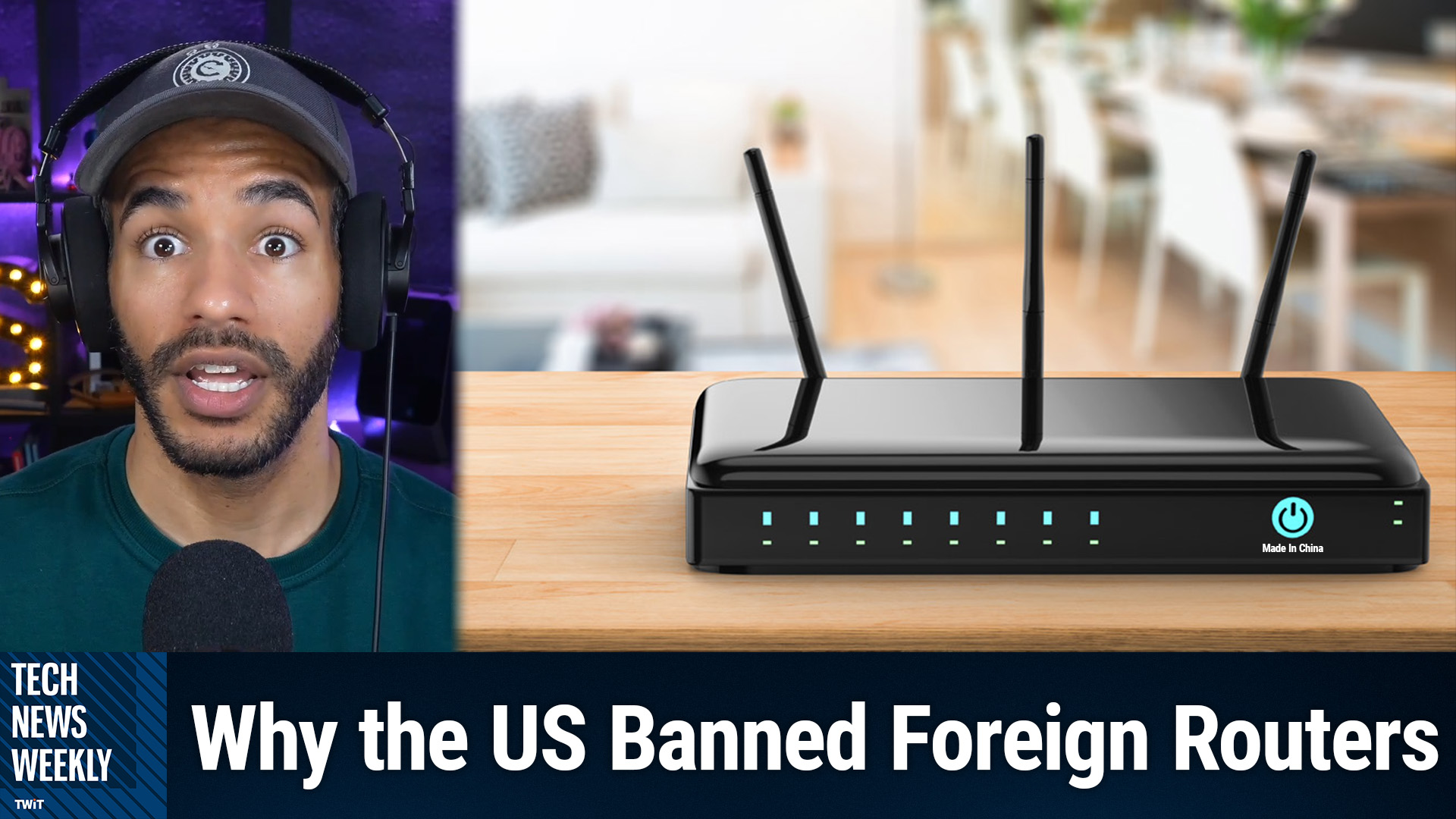
The FCC's recent move to ban the import and sale of most non-US-made consumer routers is set to reshape the American home networking market. While the government claims national security concerns, experts argue the decision has broader implications for consumers, manufacturers, and US technology strategy.
Why Is the FCC Banning Foreign-Made Routers?
On Tech News Weekly, Sean Hollister of The Verge explained that the Federal Communications Commission (FCC) is restricting the import, marketing, and sale of consumer routers in the United States if a significant portion of their development or manufacturing comes from outside the country.
While officially framed as a national security measure to prevent foreign hacking attacks, the reality is that almost all consumer routers today are manufactured abroad, including those from major US companies like Netgear, Cisco, and Linksys. The new rules focus only on routers marketed after the ban takes effect—but not existing equipment.
Will My Existing Router Be Taken Away or Banned?
No, you won't lose your current device. The FCC is not mandating a recall or forcing you to stop using your current router. You can continue using, buying, and selling pre-approved routers, even if they were made overseas. The ban only affects future models seeking market approval in the US.
As Hollister pointed out, this raises questions about the actual security motivations. If current routers—built abroad—are still allowed in homes and businesses, it's unclear how the import restrictions improve cybersecurity.
What Really Triggered the Ban?
The government cited large-scale cyberattacks, using examples like "Volt Typhoon," a campaign allegedly linked to Chinese hackers. However, according to Sean Hollister, the exploited routers in these incidents were often from American companies and were compromised due to poor security practices—like weak passwords and outdated firmware—rather than their country of origin.
The most persistent vulnerabilities stem from unpatched devices, default credentials, and other basic security lapses, not just where the hardware is made. The new FCC policy, however, does not impose any new cybersecurity requirements for approval.
How Does the Conditional Approval Process Work?
Manufacturers wanting to sell new routers in the US must now apply for "conditional approval" and submit a detailed plan to expand or shift manufacturing operations to the United States. The application process doesn't require enhanced security practices, but rather, focuses on supply chain transparency and commitments to US-based production within 1-5 years.
Hollister highlighted there are no questions in the application about how a router will be secured or updated—the main demand is a commitment to US manufacturing.
What Are the Real Motivations Behind the Ban?
Many industry watchers, including the Tech News Weekly panel, see the move as part of a broader effort to promote US-based manufacturing and score political points by appearing "tough on China." This is similar to previous bans on foreign-made drones, which mainly targeted market leaders like DJI.
On the episode, the consensus was that the ban is less about immediate security risks and more about reshaping where tech products are made, protecting domestic jobs, and asserting regulatory muscle. This leaves the door open for companies to build just enough US infrastructure to satisfy policymakers, while the bulk of production may still occur overseas.
What Happens Next? Should Consumers Worry?
The networking industry is now deciding whether to make major investments in American manufacturing or fight the new rules in court. As with the drone ban, some companies may comply, while others might limit their US offerings or withdraw entirely.
Consumers should be aware that the cost and availability of new routers could change in the future, as building and certifying devices in the US requires higher investments and a longer ramp-up period.
Key Takeaways
- Existing routers aren't affected—you don't need to replace or give up your current device.
- All major router brands rely on overseas manufacturing; the ban makes it harder to import new models unless they're (at least partly) US-built.
- The ban is framed as a national security measure, but doesn't actually require new cybersecurity standards for routers.
- Companies must outline manufacturing plans in the US to keep selling future routers here.
- Basic security hygiene, not country of origin, is the root of most hacking incidents.
- Industry response is uncertain; some companies may comply, while others could reduce US product availability or litigate.
- The cost and speed of innovation in US home networking gear could be affected.
- Greater attention to where products are made and how they're secured is expected moving forward.
The Bottom Line
The FCC's ban on imported consumer routers won't impact your current device, but signals a major shift in tech manufacturing policy. While promoted as a national security measure, the real-world effects are likely to be felt in pricing, product availability, and debates about supply chains versus actual device security.
Stay informed as the policy evolves—future purchases and network upgrades might soon present new choices and challenges.
Want to keep up with breaking tech policy news and expert insights? Subscribe to Tech News Weekly: