AI-generated, human-reviewed.
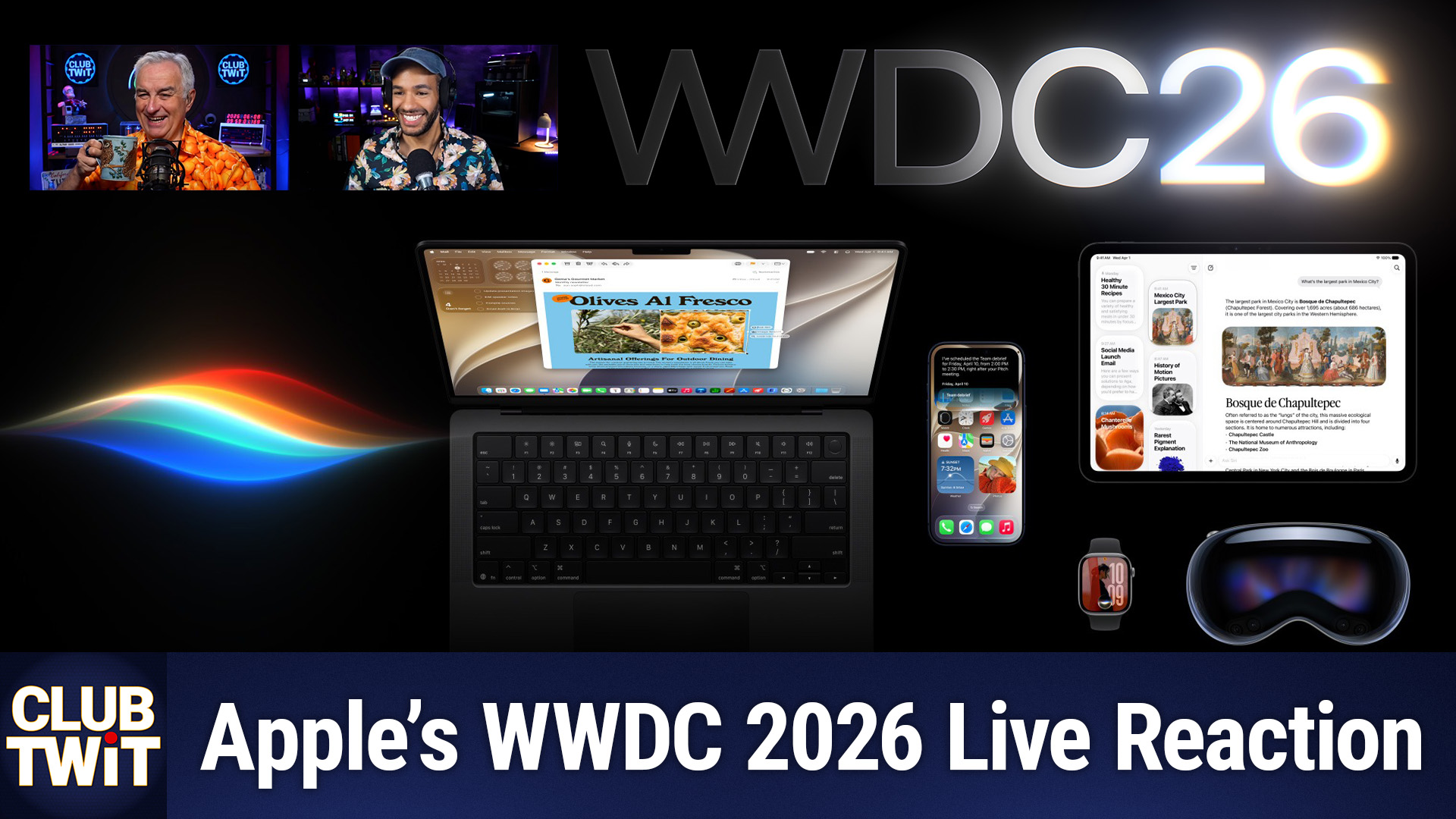
Apple's WWDC 2026 keynote unveiled ambitious plans for AI-powered features across iPhone, iPad, and Mac—but many users are left wondering which devices will qualify, and how Apple's evolving strategy will affect them. As discussed on MacBreak Weekly, the rollout of "Apple Intelligence" and Siri AI signals both a leap forward for user experience and a major inflection point for device compatibility.
Which Apple Devices Support Apple Intelligence and Siri AI?
Apple Intelligence is Apple's new suite of AI features, deeply integrated into macOS, iOS, and iPadOS. However, access depends heavily on having the latest hardware.
On MacBreak Weekly, Leo Laporte, Andy Ihnatko, Christina Warren, and Mikah Sargent highlighted that Siri AI and the full roster of Apple Intelligence features will only work on newer, high-end hardware. For iPhones, this means the iPhone 15 Pro, iPhone 15 Pro Max, and newer devices. Mac users will need an M3 chip or later, while iPad users require the latest M4 models with at least 12GB of RAM. Users with Intel-based Macs, or even recent but non-Pro/Air iPhones and iPads, will see their devices miss out on the flagship AI updates—despite still receiving core OS upgrades.
Why is this the case? According to the show's analysis, these powerful features require significant local processing power for AI to run efficiently and securely on-device, aligning with Apple's privacy commitments and design philosophy.
What Happens to Intel Macs and Older Devices?
End of the line for Intel Macs: Apple made it official at this year's WWDC—macOS 27 "Golden Gate" is the last version compatible with Intel-based Macs. This decision, covered with a sense of nostalgia and frustration on MacBreak Weekly, means users of these machines may need to consider upgrading sooner than planned.
Continued support for older iPhones: Interestingly, Apple is extending iOS support back to the iPhone 11—which is a stronger showing than on the Mac side. However, as noted in the episode, only basic software updates are guaranteed; new AI capabilities won't be unlocked unless you have one of the select models mentioned above.
Apple's AI Strategy: Privacy, Partnerships, and Practicality
Privacy remains a central theme. On MacBreak Weekly, it was clear that Apple is positioning itself as the privacy-conscious AI provider. Many AI tasks run on-device, and when cloud power is required, Apple uses both its own data centers and privacy-segmented infrastructure from partners like Google and Nvidia.
Is Apple late to AI? The show's analysis suggests Apple lags behind Google and OpenAI in releasing AI-centric features, but that the company's unique value comes from tight ecosystem control, integration, and a consistent privacy story.
Partnerships with Google and Nvidia: While Apple touts its own "AFM3" models, these are believed to be based in part on Google's Gemini AI models, further enhanced or post-trained with Apple data and running in highly secure environments.
Updates to Siri and the User Experience
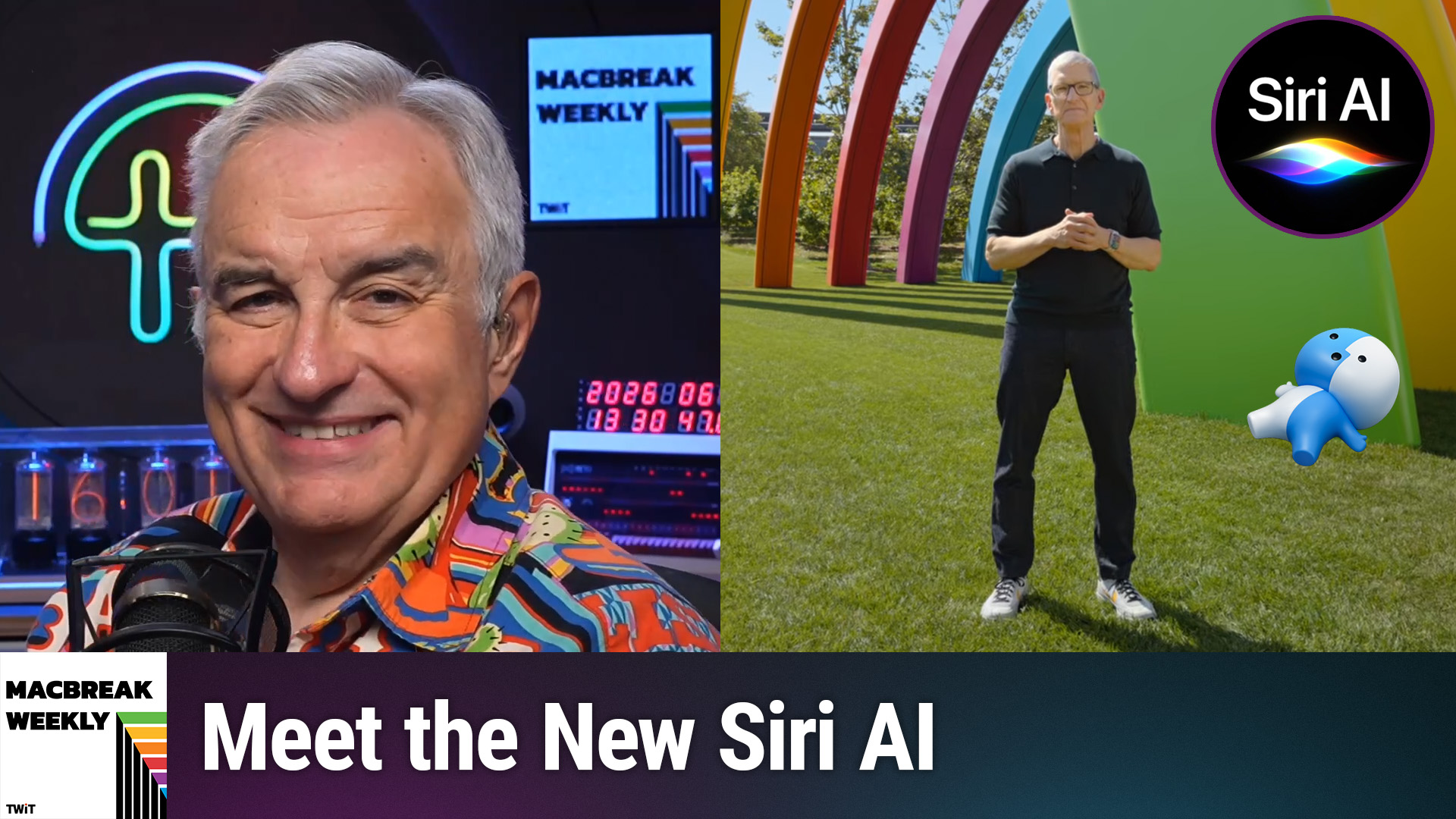
A new Siri app: Instead of just a voice assistant, Siri now works as a dedicated app and within the "Dynamic Island" interface, making AI features more discoverable and actionable.
Integration across platforms: The new AI and Siri capabilities extend to Vision Pro, Mac, iPad, and iPhone. However, smart speakers like HomePod were conspicuously absent, prompting speculation about future hardware announcements.
Enhanced parental controls and child safety: Apple is also rolling out updated controls for screen time and age-based content, aiming to appease both parents and regulators. Defaults set according to expert guidance are intended to make family setups more manageable.
What About Third-Party Apps and Interoperability?
Limitations remain: These new AI tools work best within Apple's own software suite (Mail, Notes, Calendar, etc.), and it is still an open question how smoothly they will integrate with popular third-party services like Gmail, Outlook, or Fastmail. According to insights from the show, Apple may prioritize user privacy but faces hurdles enabling deep features outside its ecosystem.
Geographic restrictions: Due to EU and Chinese regulations, some AI features won't be available in these regions at launch.
Key Takeaways
- Only the newest iPhones, Macs, and iPads will support all Apple Intelligence and Siri AI features.
- Intel Macs are now officially cut off from future macOS upgrades and major new features.
- Apple is framing its AI push around privacy, with much of the compute happening on-device or in privacy-protected servers.
- Siri receives a substantial overhaul, including a standalone app and deeper integration with the UI.
- Parental controls and default safeguards are more robust, aligning with regulatory pressure and user demand.
- Some features won't be available in the EU and China due to interoperability requirements and data sovereignty concerns.
- Integration with third-party platforms is uncertain, with the best experience reserved for those fully invested in Apple's ecosystem.
The Bottom Line
Apple's WWDC 2026 marks a clear shift: AI is front and center, but device age and configuration will meaningfully shape user experience. For those with the latest hardware, Apple's combination of privacy and practical AI integration promises an improved daily workflow. For users of older devices, this is a turning point—either consider an upgrade or prepare for limited access to Apple's latest innovations.
Stay ahead of the curve and get in-depth discussions every week by subscribing to MacBreak Weekly:
https://twit.tv/shows/macbreak-weekly/episodes/1028