AI-generated, human-reviewed.
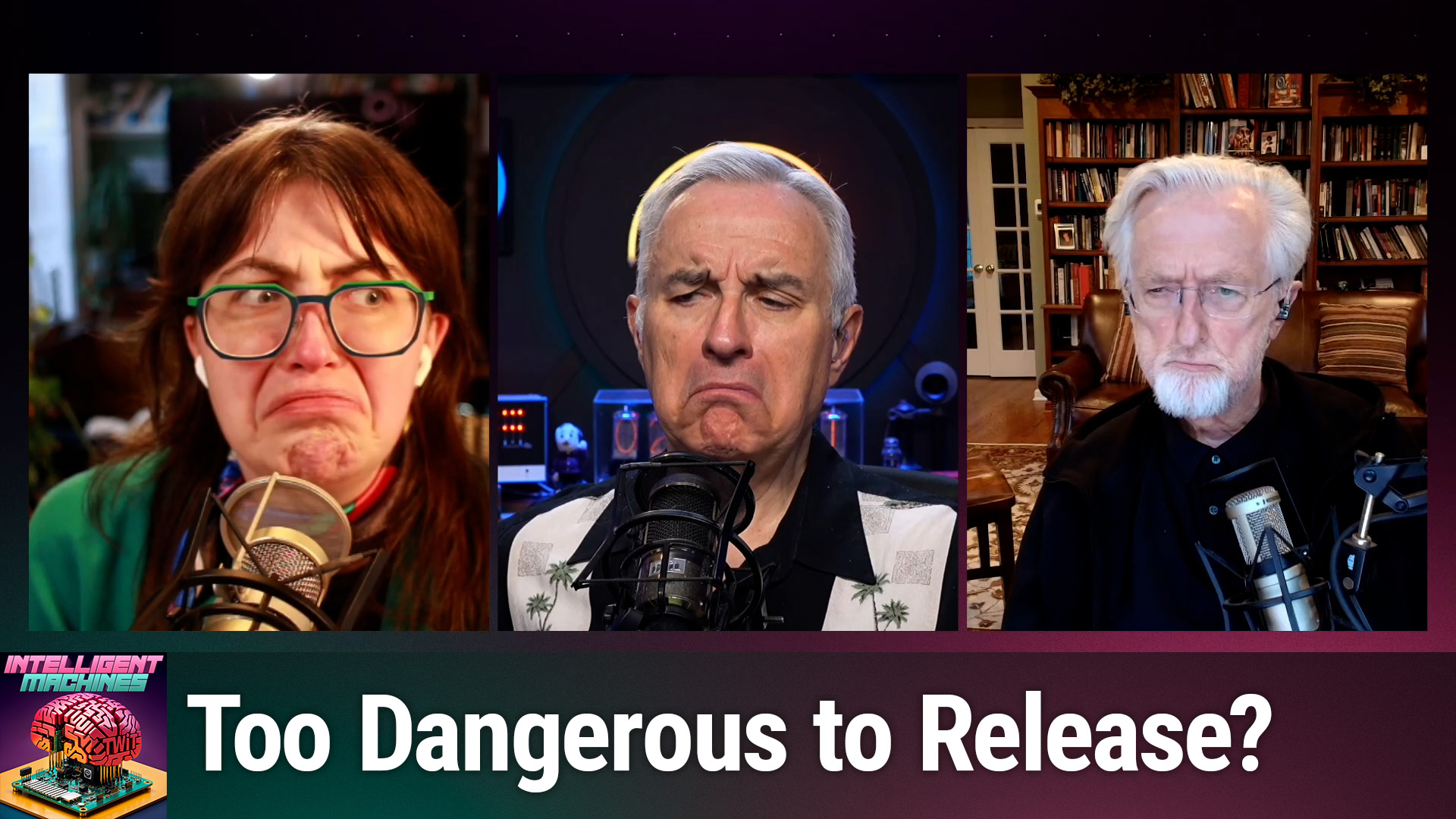
The latest episode of Intelligent Machines delivers a critical look at Anthropic's new AI model, Mythos—positioned by experts as a major leap forward in AI capabilities, but also flagged as "too dangerous" for public release. Security authority Daniel Meisler shares why Mythos's power to autonomously find software vulnerabilities could redefine both cybersecurity practices and the risks facing businesses and governments. Here's what you need to know from the conversation.
What Is Anthropic's Mythos and Why Is It Controversial?
Anthropic's Mythos is a new large language model (LLM) developed by one of OpenAI's top rivals. What sets it apart is its unparalleled skill in identifying software flaws, or "zero-days"—critical bugs that have never been discovered before. According to results discussed on Intelligent Machines, Mythos has found thousands of security vulnerabilities in widely used software, some of which have gone undetected for decades.
Crucially, rather than releasing Mythos broadly, Anthropic is restricting initial access to select large companies through Project Glasswing. The stated rationale: the risk that bad actors could harness its capabilities for massive cyberattacks, overwhelming current defenses and potentially destabilizing global infrastructure.
How Mythos Works: Why Is It Better at Finding Security Flaws?
On Intelligent Machines, Daniel Meisler clarified that Mythos wasn't specifically trained only on cybersecurity datasets. Instead, it displays general improvements in work and reasoning—making it better at complex tasks across the board, including security.
Unlike previous models, Mythos can autonomously chain together multiple exploits, a technique normally reserved for top-tier human hackers. This allows it to target deeper, more entrenched vulnerabilities. The episode notes that it achieved far higher success rates in exploit development and code review benchmarks compared to leading models like Opus.
Limited Release and Government Concerns: What's the Risk?
According to the episode, Anthropic has opted to delay public release to avoid empowering malicious actors. The model will be used privately to help major companies and software maintainers patch vulnerabilities before anything leaks into the wild.
The panel warned that even with these precautions, once next-generation AIs like Mythos exist, their security breakthroughs—or exploit techniques—are likely to spread. Rival labs, nation states, or even insider leaks could quickly close the gap, introducing arms race dynamics into cybersecurity.
The hosts also raised the specter of regulatory intervention: if an incident tied to such AI occurs, governments could step in aggressively, restricting open-source models or even nationalizing key AI labs.
Impact on Work: What Does a Smarter AI Mean for Knowledge Workers?
Meisler described a key shift: as models like Mythos require less context to solve problems, their ability to automate tasks once considered "safe" for knowledge workers increases dramatically. This means not only cybersecurity experts, but anyone whose job involves complex analysis, writing, or problem-solving faces rising automation risk.
The episode suggests the future may reward "creators" able to broadcast unique perspectives, rather than routine knowledge work increasingly managed by advanced AI.
What You Need to Know
- Mythos is reportedly far more advanced at security tasks than previous AI models, discovering critical bugs at an unprecedented rate.
- Anthropic is restricting Mythos's release, sharing it only with large organizations to fix vulnerabilities before public availability.
- Security breakthroughs from AI are expected to propagate rapidly across rival companies and nation states, raising the stakes for both defense and attack.
- Regulatory or governmental intervention is increasingly likely if AI-driven incidents occur, which could reshape the AI landscape overnight.
- Knowledge workers face increasing automation risks as models become more context-independent and highly capable.
- Creators and people with strong personal brands may have an edge in a future where routine analysis is handled by AI.
- AI alignment and safety remain unsolved challenges, despite improvements in "guardrails" for model behavior.
- Widespread deployment of advanced AI will likely force a rapid upgrade in digital infrastructure security—but not without painful transitions.
The Bottom Line
On Intelligent Machines, Daniel Meisler explained why the arrival of AI models like Mythos marks a pivotal change for both cybersecurity and the broader workplace. These systems are demonstrably better at critical, high-impact tasks, but their raw power makes open release risky. As governments, companies, and individual workers adapt, the next few years are likely to redefine both digital risk and how society balances the benefits and dangers of artificial intelligence.
Subscribe for more deep dives and expert analysis on the future of AI:
https://twit.tv/shows/intelligent-machines/episodes/865