AI-generated, human-reviewed.
The Artemis II mission stands as a landmark in modern space exploration, representing humanity's first crewed journey beyond Earth orbit in over fifty years. On This Week in Space, Rod Pyle and Tariq Malik broke down why this historic flight sets the foundation for NASA's broader return to the lunar surface—to stay—what challenges were faced, and the technical triumphs that will shape upcoming lunar missions.
What Makes Artemis II So Significant?
Artemis II is the second mission in NASA's Artemis program and the first to carry astronauts aboard the Orion spacecraft. Unlike previous uncrewed tests, Artemis II transported a crew of four to the vastness of deep space, undertaking a ten-day journey that pushed current technology and challenged its crew.
According to Rod and Tariq, Artemis II achieved several firsts: it sent the most diverse crew to lunar distance, broke the record for the farthest humans have traveled from Earth, and put every major spacecraft system through real-world tests, including ground operations at Mission Control. The mission served as a critical rehearsal for future flights that will land on the Moon.
Living and Working in the Orion Capsule
For ten days, four astronauts called the Orion capsule home. Rod emphasized the unique challenges of extended spaceflight in an environment no larger than two minivans. Essential systems such as the toilet, water supply, and exercise equipment were continuously used and, at times, pushed to their limits.
A widely discussed part of the mission involved the space toilet. Technical difficulties required crew resourcefulness and ground support to keep operations running smoothly. Such "real-life" space problems delivered essential feedback for engineers planning longer trips, especially as future Artemis missions aim for longer lunar stays.
Beyond technical troubleshooting, the crew participated in health monitoring, daily exercise, and the first extensive live streaming of daily routines from deep space. These shared moments provided valuable lessons about the psychological and physical demands of lunar travel.
Technology Highlights: Cameras and Communications
The Artemis II crew relied on a blend of rugged professional cameras, GoPros, and iPhones to capture images and video. Tariq highlighted a major innovation tested during the flight: laser-based communications. This system successfully transmitted gigabytes of data quickly back to Earth, opening new possibilities for high-definition imagery and real-time updates in future missions.
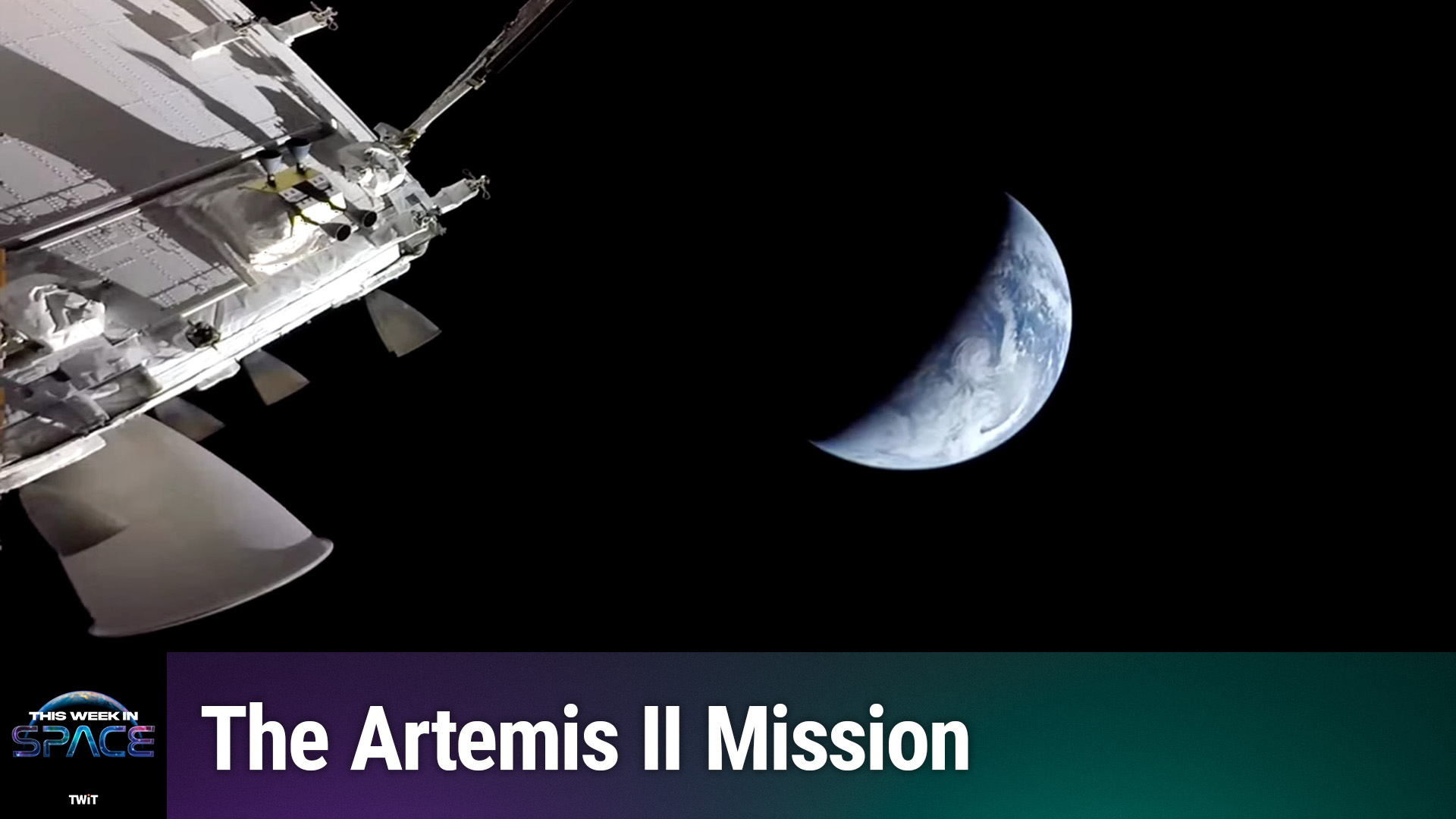
The mission's photo documentation included unique images of the Earth and Moon, sunset and sunrise events as seen from lunar orbit, and rare captures of lunar impact flashes—giving both Mission Control and the public a fresh look at space through human eyes.
Human Moments and Emotional Milestones
Artemis II was notable not only for technological progress but also for its very human moments. According to Rod, the crew memorialized lost loved ones by naming a lunar crater after the commander's wife, who died in 2022; shared candid laughs, and received messages from Apollo-era astronauts, including Jim Lovell of Apollo 8 and Apollo 13, who recorded the message before he died last year. These moments brought home the spirit of exploration, resilience, and remembrance that defines human spaceflight.
The candid broadcast of crew life, including glimpses of exercise routines and daily cleanup, reshaped public perceptions of astronauts and allowed people on Earth to connect more personally with the Artemis team.
Scientific Observations from Lunar Distance
While primarily an engineering demonstration, Artemis II astronauts made significant scientific contributions. They visually tracked and reported impact flashes on the Moon's night side, providing real-time human observations seldom matched by robotic probes. This kind of "on-the-fly" science is expected to become a more prominent feature as humans begin living and working on the lunar surface.
The Return to Earth: Artemis II Splashdown
After a mission full of firsts, Artemis II concluded with a successful splashdown in the Pacific Ocean. The hosts explained that re-entry is one of the most technically demanding aspects of the mission. The Orion spacecraft's heat shield, life-support, and parachute systems performed as intended, carrying the crew safely home and confirming the overall resilience of NASA's Moon-bound hardware.
The splashdown did more than close a chapter—it validated design choices, operational procedures, and the Artemis program's readiness to tackle lunar landings with crew aboard in about two years.
What You Need to Know
- Artemis II is the first crewed mission beyond Earth orbit in over 50 years, proving out critical technologies including ground control and support.
- Life support, communications, and navigation all passed real-world operational testing.
- Crew experiences highlighted areas for improvement, especially around everyday living in space.
- New tech, like laser communications and commercial-grade cameras, greatly enhanced data return and public engagement.
- Emotional and personal moments made the mission relatable, connecting the world to the astronauts' journey.
- A flawless splashdown capped off the mission, capping a mission that moves us closer to future crewed lunar landings.
The Bottom Line
Artemis II was more than just a test flight—it was a defining mission that marked NASA's confident steps toward building a sustainable human presence on the Moon. With a successful splashdown and lessons learned in hand, the Artemis program is cleared to move forward, bringing lunar exploration—and eventually Mars—within reach for a new generation.
Stay up to date on the Artemis program and future space missions—subscribe to This Week in Space:
https://twit.tv/shows/this-week-in-space/episodes/205